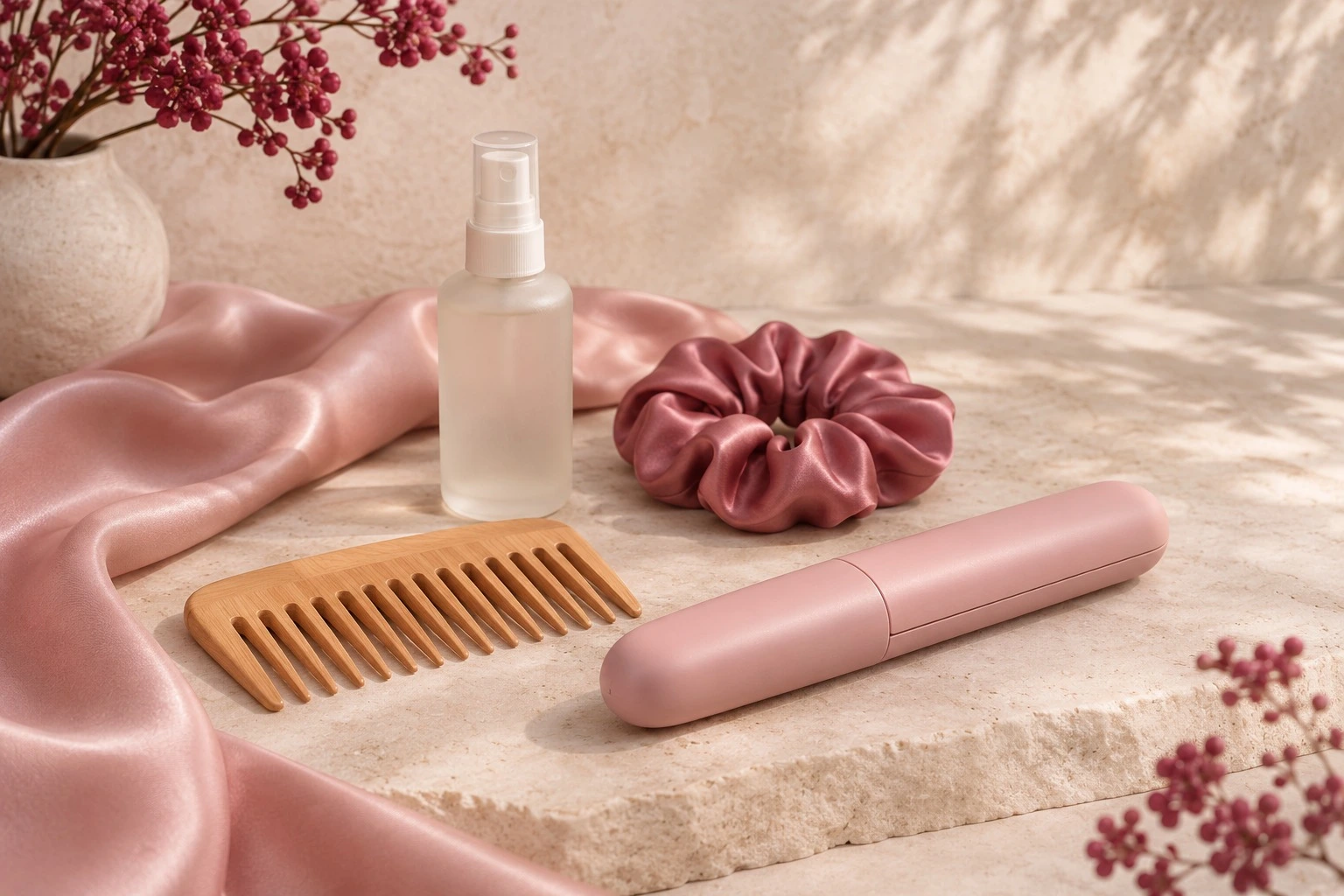
Heat styling every day doesn't have to mean damaged hair. Damage comes from too much heat, too often, on unprepared hair. Change the habits and you change the outcome — whichever tools you use.
- How heat protectant actually works
- Temperature and pass guidelines by hair type
- The daily heat habits checklist
What heat does to hair
Hair's outer layer, the cuticle, is made of overlapping scales. Heat, repeated often enough, can lift and wear those scales and dry the hair out. That shows up as dullness, frizz, split ends and hair that snaps easily. Hair can't repair itself the way skin does, so prevention is everything.
How to use heat protectant properly
- Apply to dry or towel-dried hair, as directed. Some protectants are for damp hair before blow-drying, others for dry hair before tools. Read the label.
- Section and distribute evenly. Spraying the surface only protects the surface. Lift sections and cover the mid-lengths and ends.
- Let it dry fully before styling. Heat tools must be used on completely dry hair.
- Reapply on re-styling days. If you curl in the morning and touch up in the evening, a light mist before the second session helps.
Temperature and passes by hair type
| Hair type | Temperature | Passes | Notes |
|---|---|---|---|
| Fine or thin | Lowest effective setting | 1 | Smaller sections instead of more heat |
| Colour-treated or lightened | Low | 1 | Most vulnerable; protectant every time |
| Medium / normal | Low to medium | 1–2 | Increase only if styles don't hold |
| Thick or coarse | Medium | 1–2 | Work in more sections rather than more heat |
| Curly or coily (straightening) | Medium | 1–2 | Thorough detangling and protectant are essential |
Is it bad to straighten or curl your hair every day?
Daily heat increases the cumulative risk, but how you do it matters more than whether you do it. Someone using the lowest effective temperature, one pass, small sections and protectant every day may see less damage than someone using maximum heat with repeated passes twice a week.
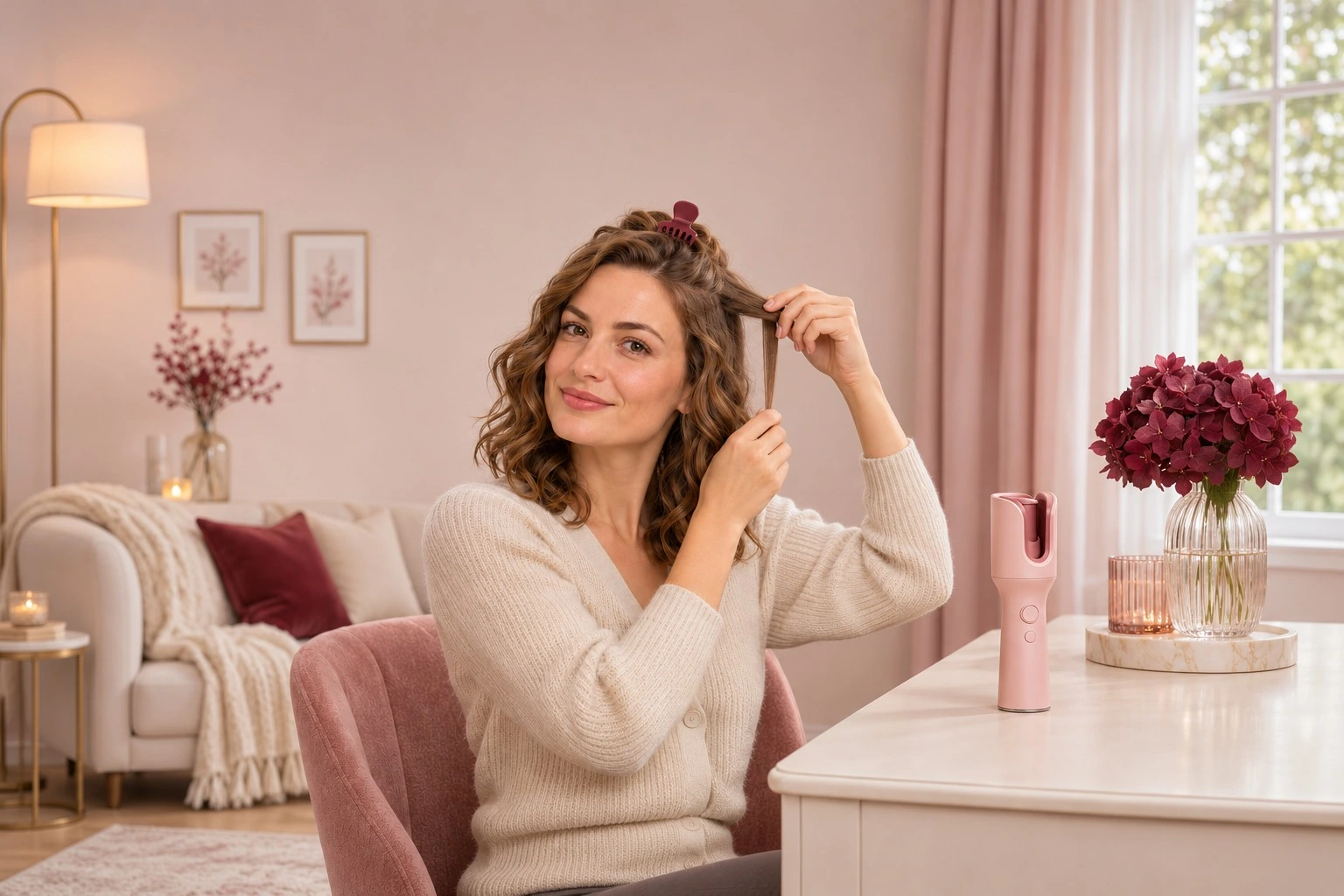
Short, targeted styling — curling only the front sections, or touching up a fringe — keeps total heat exposure low. That's one reason compact cordless tools suit daily styling: they make the quick fix easy, so you don't redo everything.
Signs of heat damage to watch for
- Ends that feel rough or look white-tipped (split ends)
- Hair that snaps when gently stretched
- A dull surface even after conditioning
- Frizz that wasn't there before
- Styles that stop holding, even with the same routine
The daily heat habits checklist
Make these automatic
- Fully dry hair before any heat tool
- Protectant on every styling day, distributed through sections
- Lowest temperature that gives your result
- One slow pass beats three fast ones
- Smaller sections, not more heat
- Weekly conditioning mask
- Regular trims
- Switch tools off and let them cool after use
Tools that make the lighter routine easier
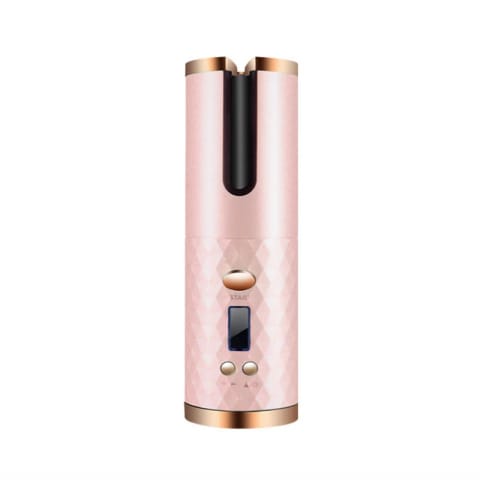
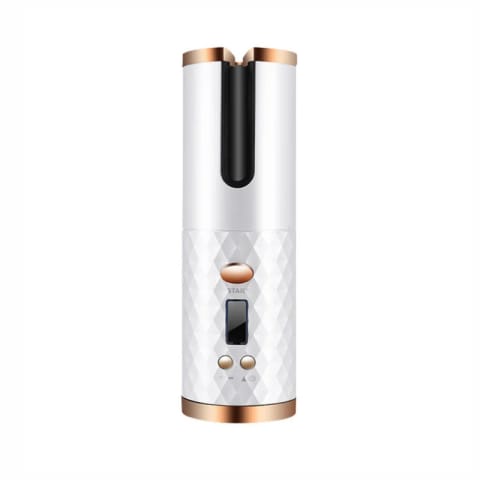
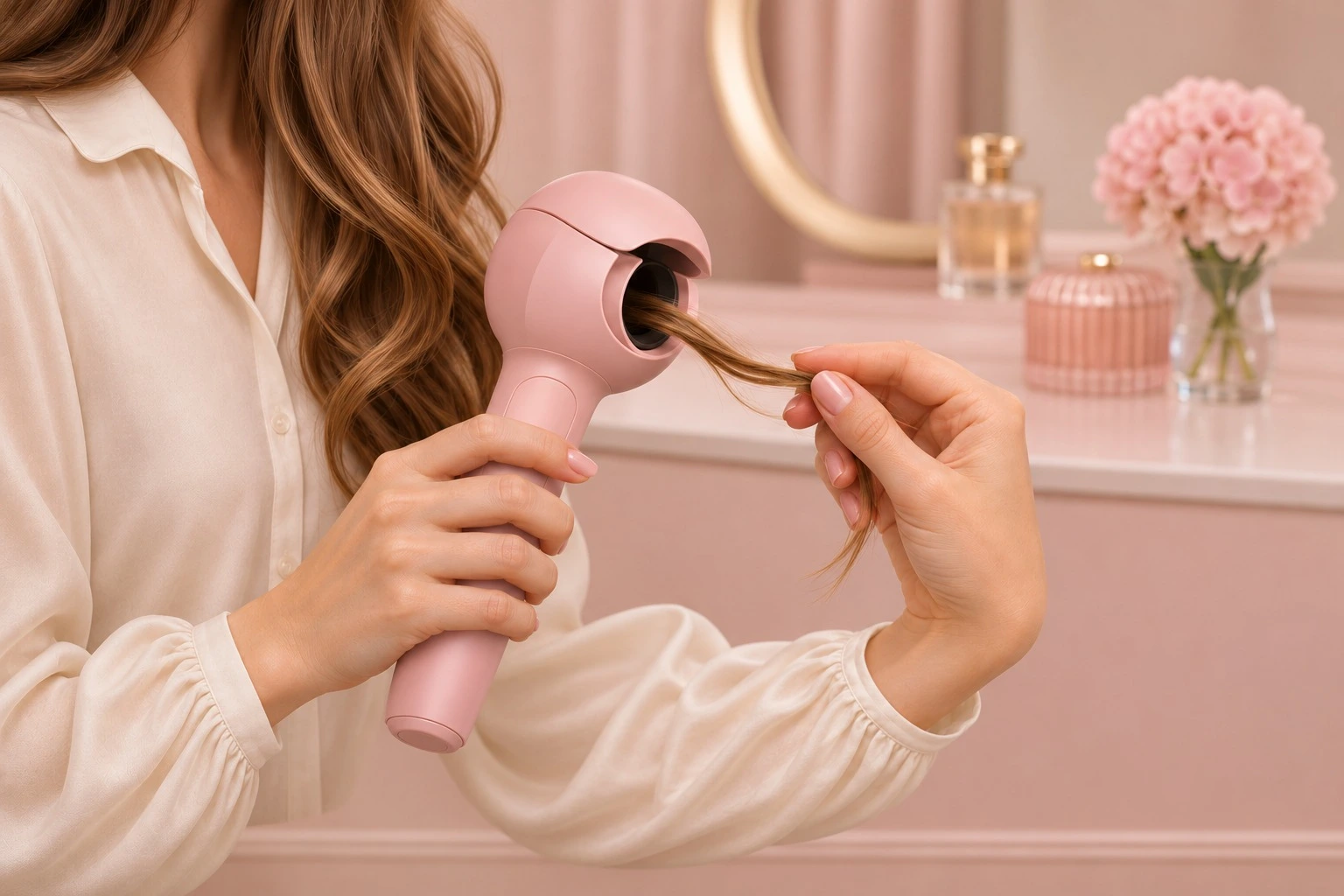
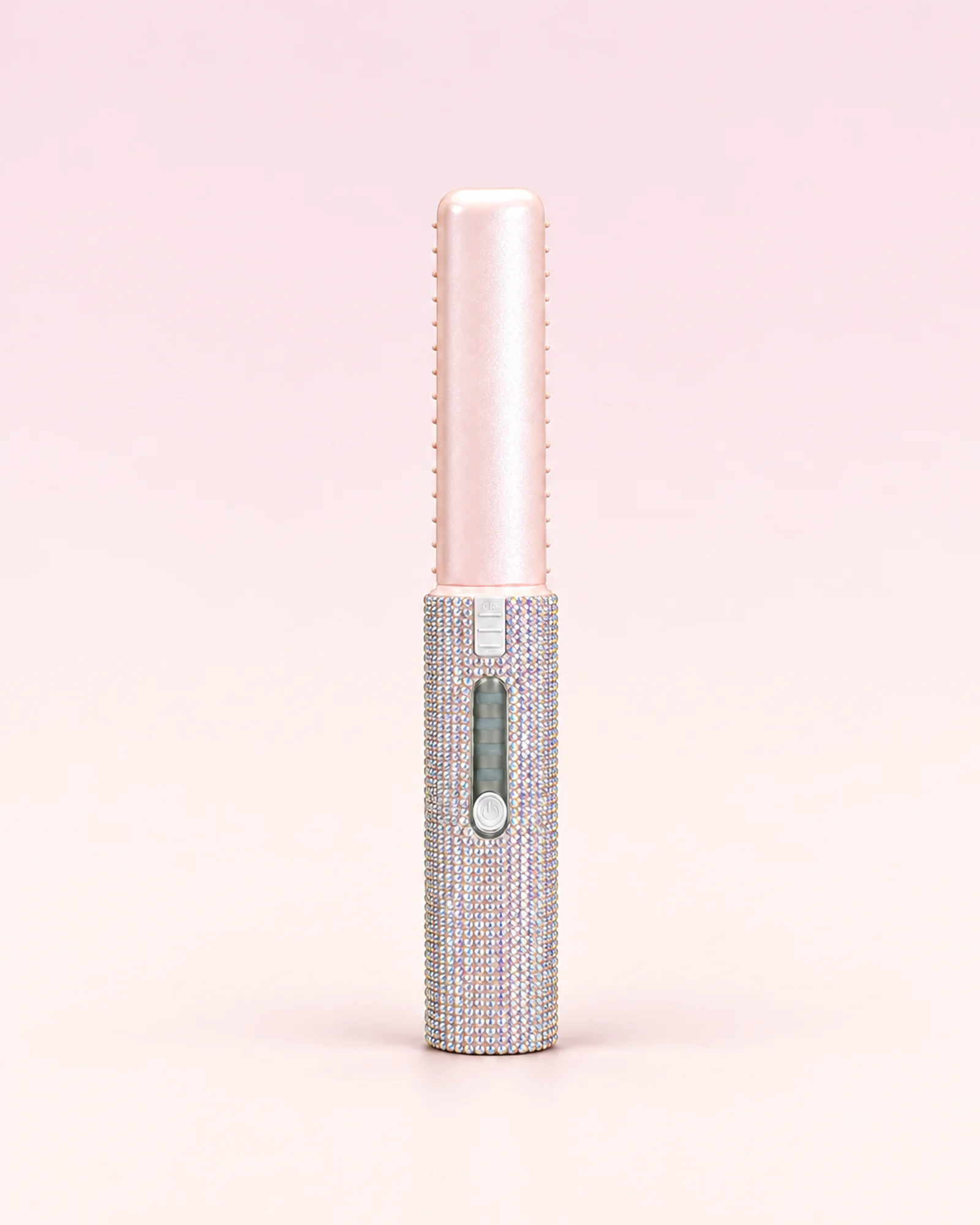
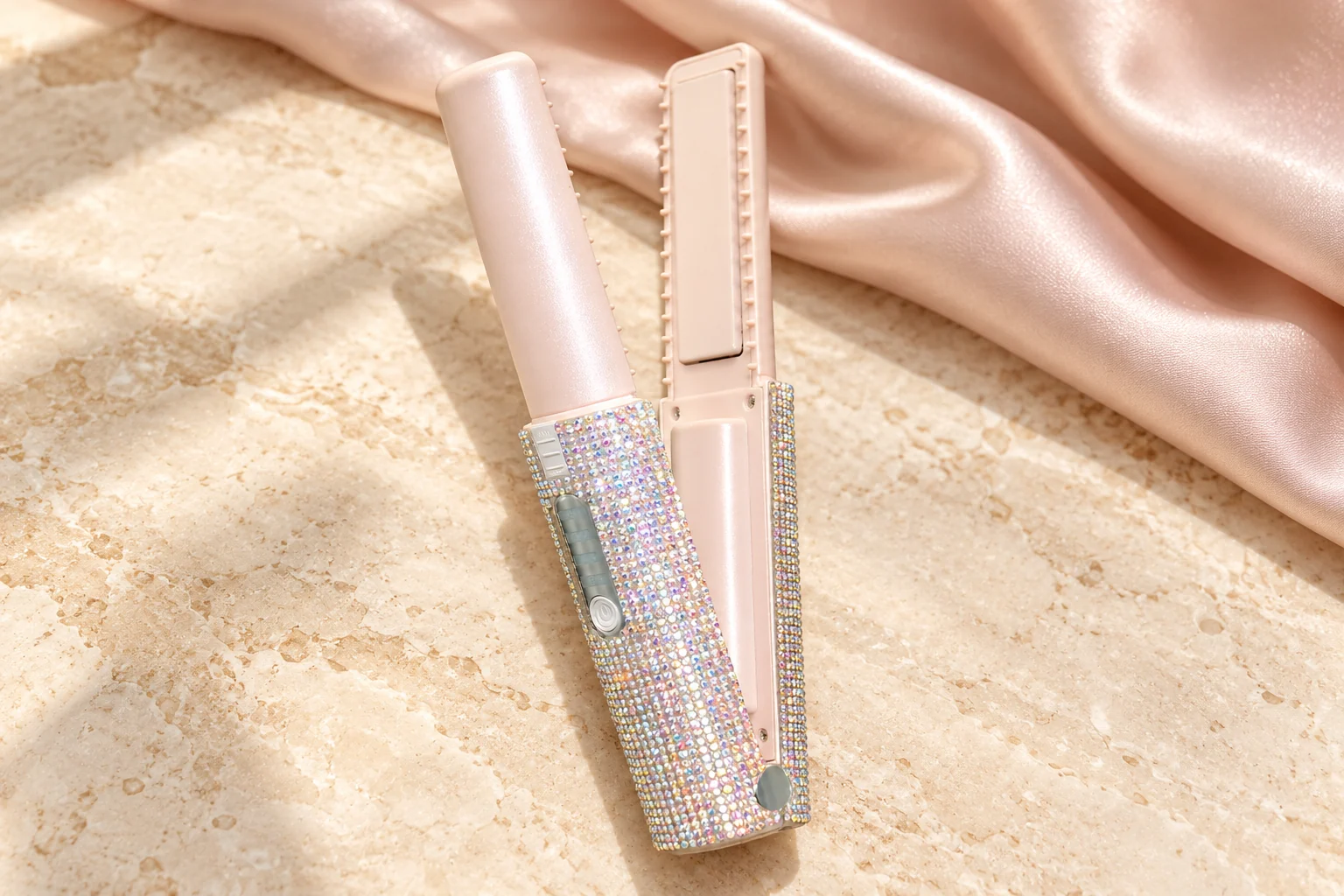
Curlylooks Cordless Automatic Curler
€32.99
Adjustable temperatureCeramic-coated chamber
Adjustable temperature lets you find the lowest effective setting for your hair rather than defaulting to one heat level.
✦ Pairs well with: Heat protectant · Weekly mask
Best for: Daily curls, fine and colour-treated hair
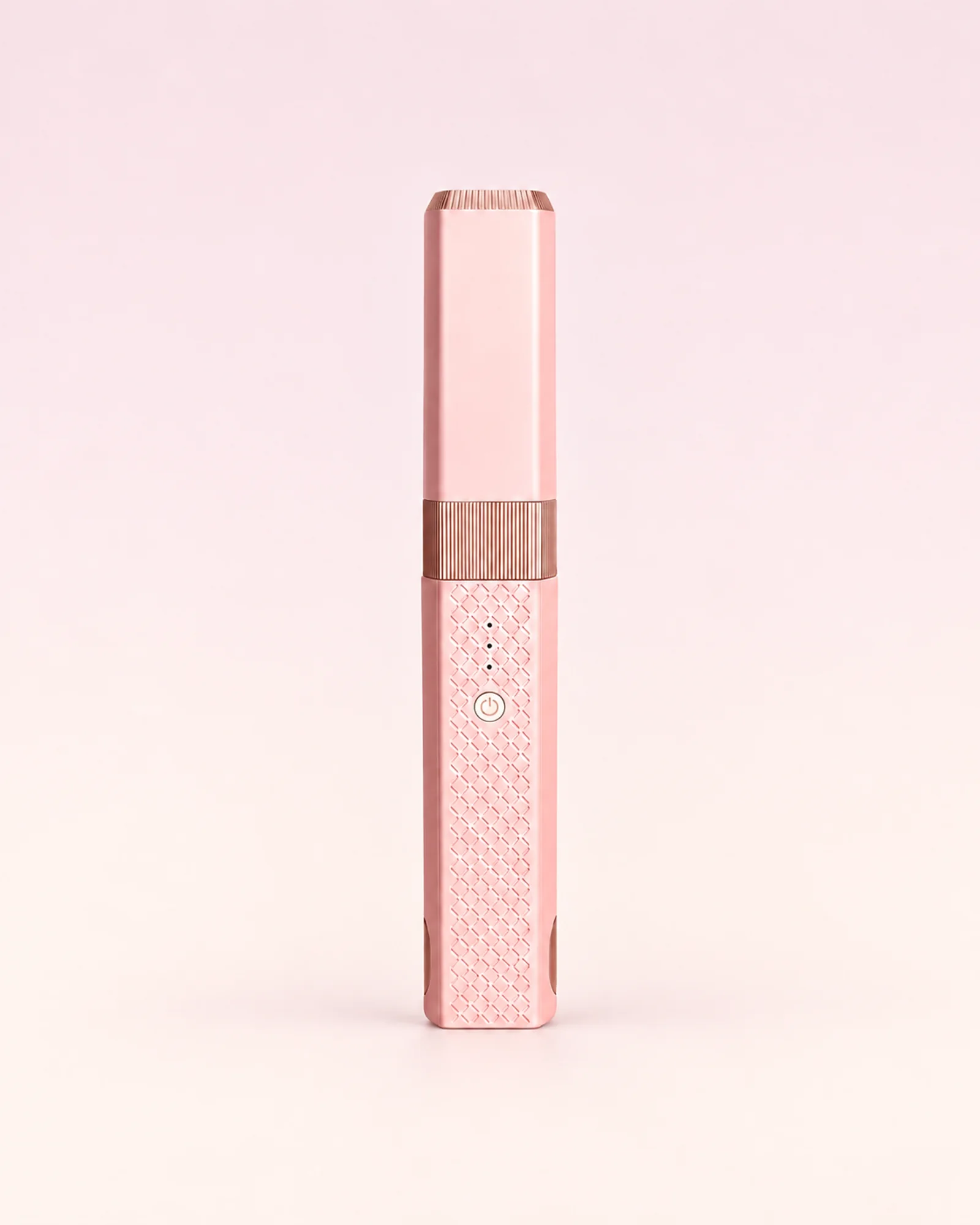
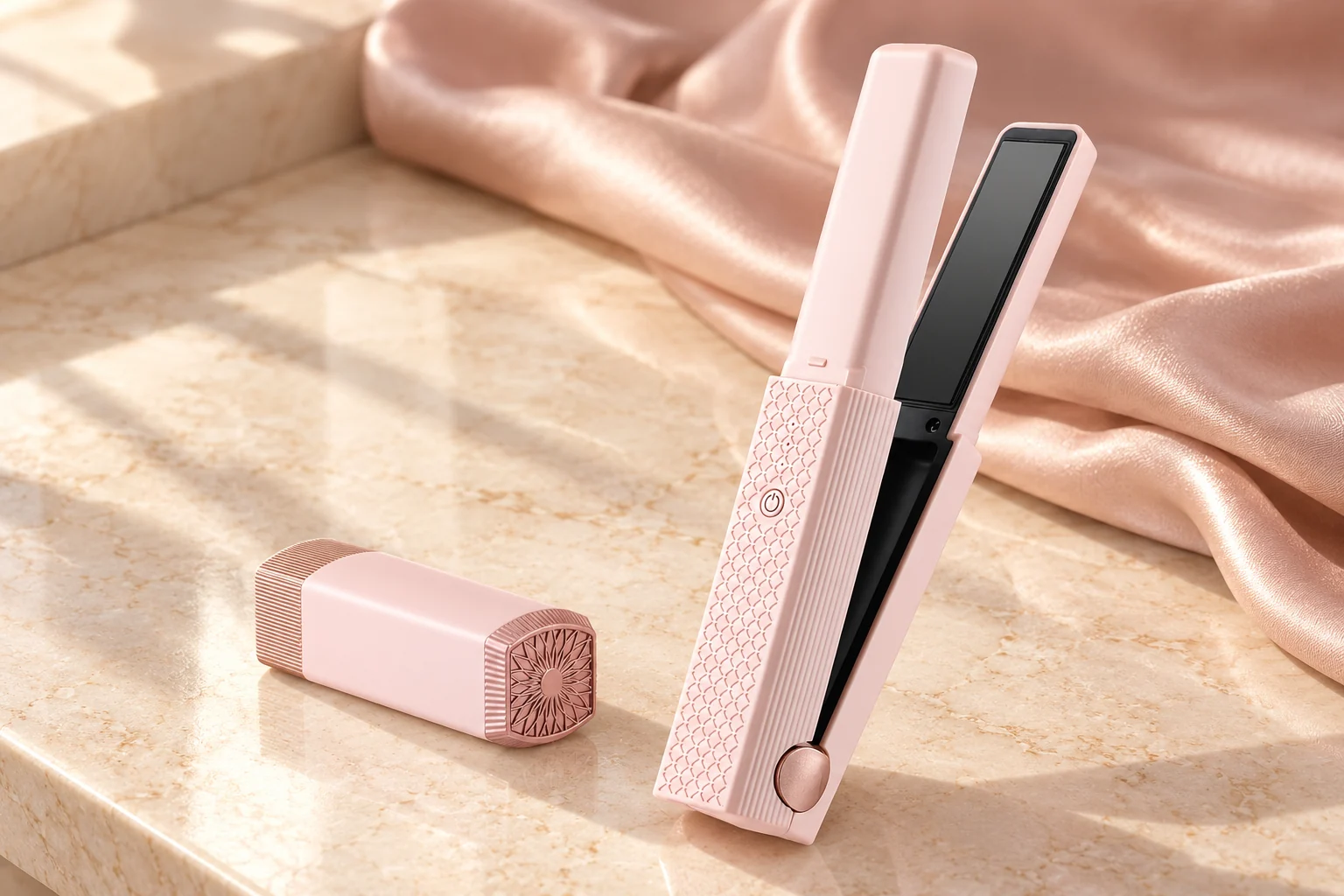
Curlylooks Cordless Hair Straightener
€34.99
PinkGreenCompact
A compact straightener encourages targeted touch-ups — fringe and ends — instead of re-straightening your whole head.
✦ Pairs well with: Smoothing serum on cool hair
Best for: Touch-ups, fringes, second-day hair
Three ways to start
Lighter-heat routines
Daily curls
Front sections only on weekdays with the automatic curler; full curls at the weekend.
Sleek hair, less heat
Blow-dry smooth, then fix only the fringe and ends with the classic cordless straightener.
Both
The Curl & Polish bundle — two compact tools, so each job uses less heat.
Frequently asked questions
Does heat protectant really work?
Heat protectants are designed to reduce the effect of heat on hair, but they don't make high heat safe. Combine them with low temperatures and fewer passes.
Can I use heat protectant on wet hair?
Some are designed for damp hair before blow-drying. Always use curling and straightening tools on completely dry hair.
How often should I trim heat-styled hair?
Many stylists suggest every 8 to 12 weeks for regular heat stylers, or sooner if you see split ends.
Style smarter, not hotter
Compact cordless tools with adjustable settings for lighter everyday routines.
Shop all styling tools →See the bundles →Safety note: heat tools get hot. Always follow the operating and safety instructions supplied with your device, use on dry hair only, keep heated parts away from skin and scalp, switch off after use and store out of reach of children.